Gyanendra Shah
Net Worth
$600 million - $900 million (as of 2024)
Height
5' 7" (170 cm)
Age
77
Nation
Nepali
favorite Personal Life
Basic Information
Family & Relationships
Education
Lifestyle
person_book Biography
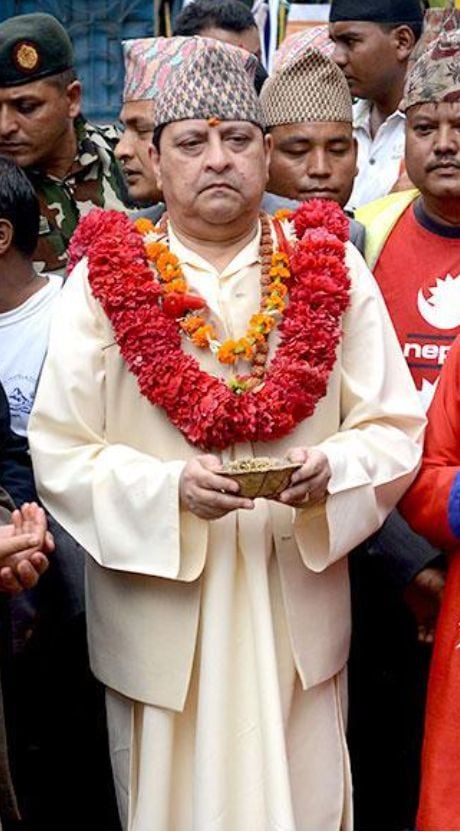
Some Lesser Known Facts About Gyanendra Shah
- Gyanendra Shah was the last reigning king of Nepal from 2001 to 2008, when the monarchy of the Shah dynasty ended.
- He served as the thirteenth King of the Shah dynasty of Nepal.
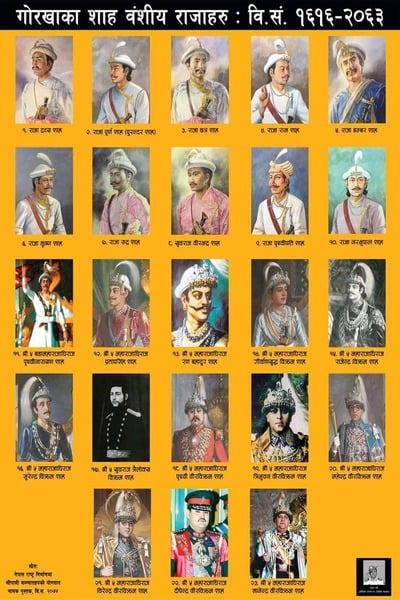
Kings of Gorkha Shah Dynasty of Nepal
- When King Gyanendra was born in July 1947, a court astrologer told his father to avoid looking at him because it would bring bad luck to him. Consequently, baby Gyanendra was sent to live with his grandmother at a distant palace in Kathmandu.
- Three years later, in November 1950, during a political plot, his father and his grandfather, King Tribhuvan, and other royals members fled to India, leaving the infant Prince Gyanendra as the only male member of the royal family in Nepal. However, his first reign lasted a little over three months because Gyanendra’s grandfather, King Tribhuvan, returned to Nepal and resumed the throne.
- Prime Minister Mohan Shamsher brought Gyanendra Shah back to the capital, Kathmandu, and declared him king on 7 November 1950. The PM Shamsher also provided a 300,000-rupee annual budget for King Gyanendra Shah’s expenses.
- In 1950, during his reign, coins of his name were also issued.
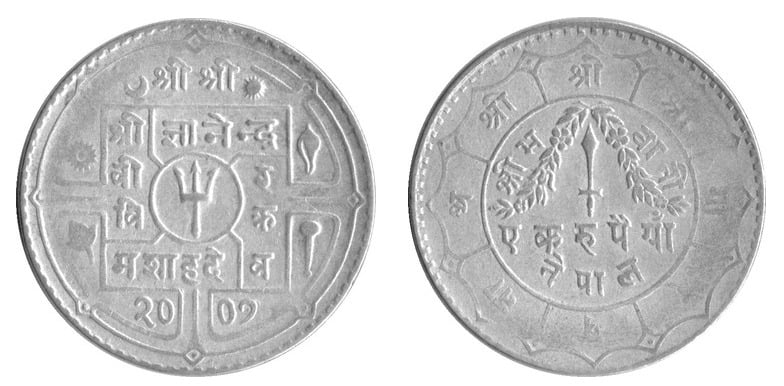
Gyanendra Shah named coin during his first reign (1950)
- Since childhood, he has been keenly interested in wildlife conservation and actively involved in Nepal’s nature reserves.
- Gyanendra was renowned from a young age for his administrative commands.
- In 1970, one year after his graduation, he got married to his second cousin, Queen Komal Rajya Lakhsmi Devi. She was the princess of the royal Rana family of the Chhetri dynasty of Nepal before marriage.
- In 1975, Gyanendra Shah served as the chairman of the Advisory Committee for the coronation ceremony of his brother, King Birendra Bir Bikram Shah Dev.
- He also served as chairman of the King National Trust for Nature Conservation, Nepal, from 1982 to 2001, until his reaccession to the Shah Dynasty kingdom.
- In 1989, Gyanendra Shah opened a business venture called Gorkha Brewery, which introduced the popular beer brand Tuborg to Nepal.
- Gyanendra’s son, Paras, was one of the most disliked royals in Nepali history. In 2000, Paras was involved in a car accident that resulted in the death of a popular Nepali singer, and alcohol was reportedly a factor in the crash. Showing their displeasure with the leadership, 500,000 Nepalis signed a petition urging Paras’s prosecution, but members of the royal family are immune from prosecution unless the king gives permission for that. Reigning King Birendra Bir Bikram Shah Dev did not permit that, and Paras became safe from the accusation.
- In 2001, after the death of his nephew, Crown Prince Dipendra Bir Bikram Shah Dev, Gyanendra Bir Bikram Shah took over the throne and became the new king of Nepal.
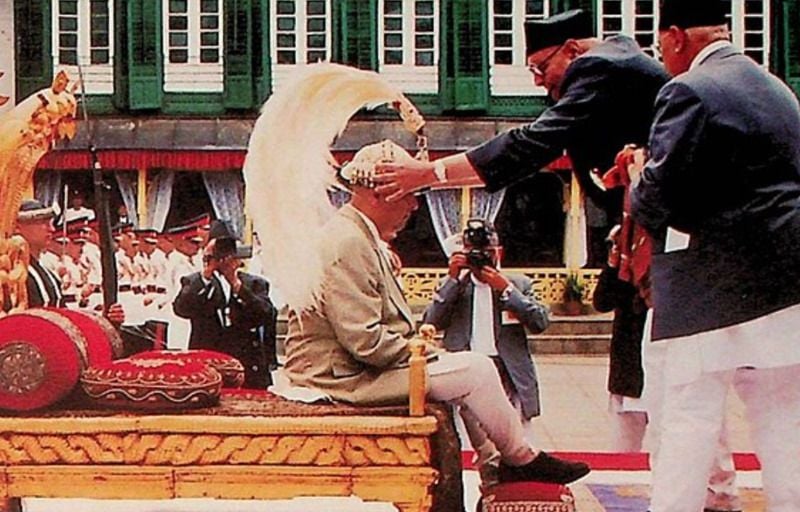
Gyanendra Shah, during his second coronation ceremony
- During his early reign, he took complete control of the Nepalese government.
- From 2002 to 2005, he chose and subsequently dismissed three prime ministers for failure in running the country. In February 2005, he dismissed Prime Minister Sher Bahadur Deuba for the second time and took over as absolute ruler of Nepal, promising that the country would return to normality within 36 months.
- In April 2006, the seven political parties alligned together and staged protests and strikes in Kathmandu against King Gyanendra’s direct rule. Seven party leaders and Gyanendra Shah agreed to the supervision of the Indian ruling Congress that the monarchy would have a place in the new constitution.
- Later, the agreement between the parties and Gyanendra under Indian supervision was not honored by the parties, and on 10 June 2006, the Parliament dismissed the major powers of the king, including his right to veto laws.
- In August 2007, Nepal’s government nationalized all the properties Gyanendra, which he inherited from his brother, including the Narayanhiti Royal Palace.
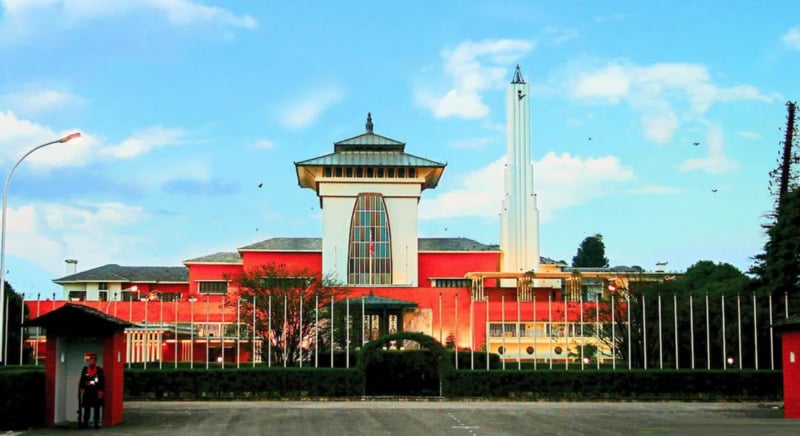
Narayanhiti Royal Palace of Nepal
- In 2007, it was announced that the Shah monarchy would probably be suspended in 2008 as part of a peace deal with the Communist Party of Nepal (Maoist) in Nepal.
- In June 2008, the Nepal Government ordered Gyanendra Shah to leave the Narayanhiti Palace in Kathmandu and shift to Nagarjuna Palace, Kathmandu. Shah’s departure with his family from the royal place was reported as a “major symbolic moment in the fall of the Shah dynasty of Neapl.
- After Gyanendra Shah departed from the Narayanhiti Royal Palace, Kathmandu, it was turned into a museum, while Gyanendra’s diamond and ruby-studded Crown and royal scepter, along with all the other crown jewels and royal assets, became government property.
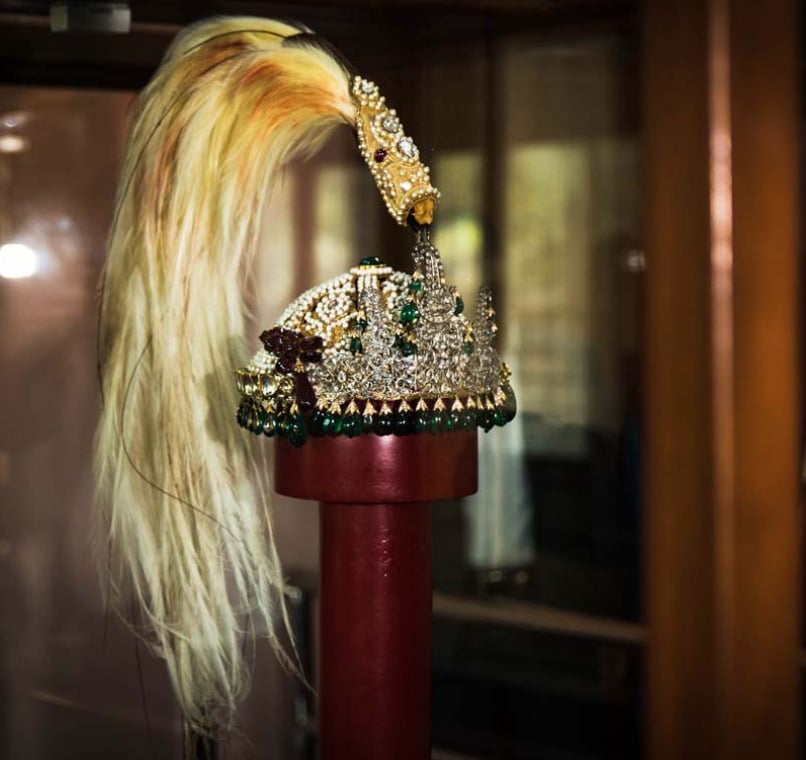
Diamond and gold studded Nepal Shah Dynasty King’s crown
- In an interview in 2012, he said he was not a politician and he would bring the monarchy back to Nepal.
- Gyanendra Shah played a significant role in preserving Nepal’s cultural heritage. He prioritized the restoration of temples, monuments, and historical sites, ensuring that Nepal’s identity as a land of original traditions and architecture remained alive.
- In an interview, Gyanendra Shah once revealed that a written agreement existed between the Nepal politicians and himself that the constitutional royal monarchy would be returned when he gave all his powers to the politicians and can also restored to the house Parliament that he had removed by the Government.
- In 2019, thousands of Nepalese people gathered at his private residence at Nirmal Niwas Palace. He greeted the people but didn’t celebrate his birthday due to the demise of one of his relatives. Therefore, the visitors wrote birthday wishes on registers kept at the Nirmal Niwas Palace.
- In February 2023, Gyanendra Shah attended a public event in the Jhapa district of Nepal, where thousands of supporters gathered. He called for the transformation of Nepal from a secular state into a Hindu kingdom.
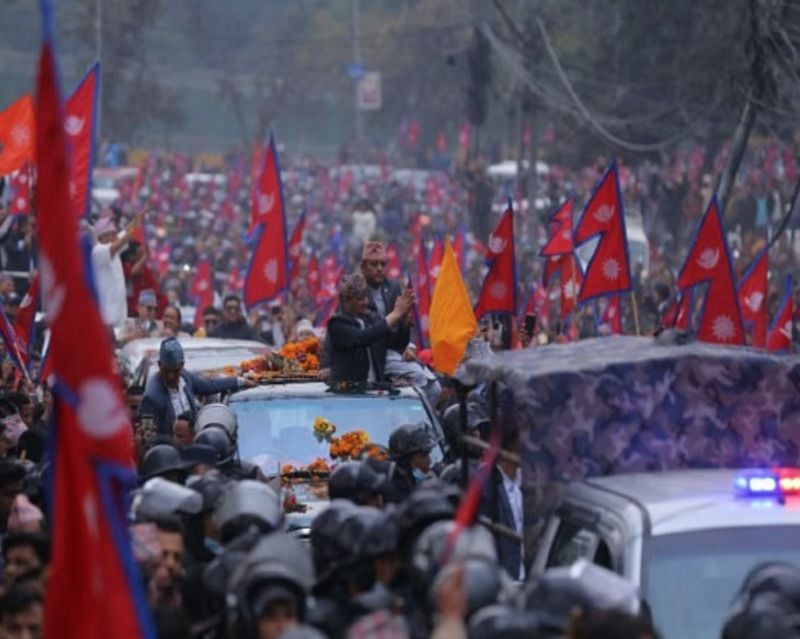
Gyanendra Shah, while addressing a public event
- In October 2024, he made his visit to Bhutan at the invitation of the Bhutanese royal family. A red carpet was rolled out upon his arrival.
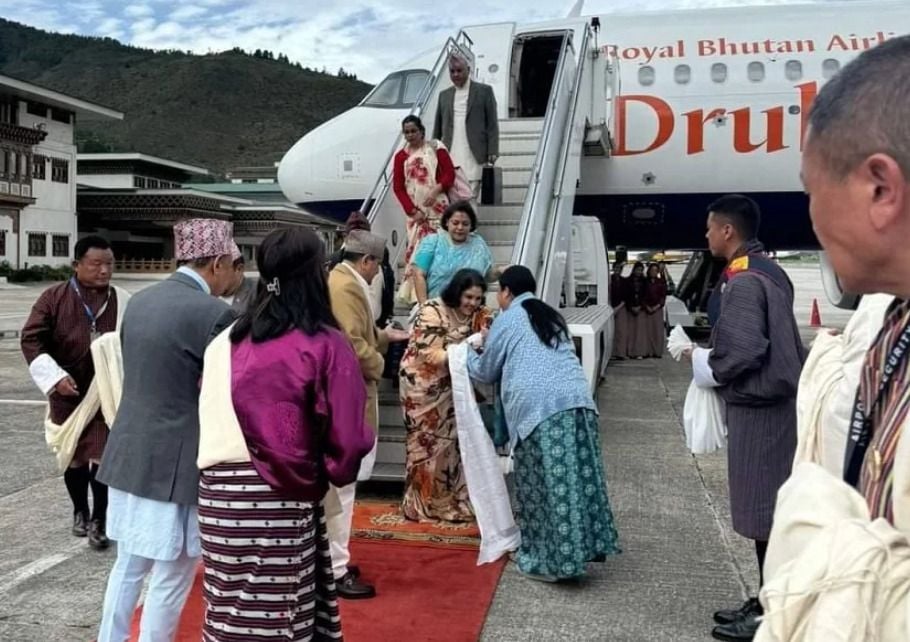
Gyanendra Shah with his family during their visit to Bhutan
- Gyanendra Shah has been involved in various philanthropic works. He has donated to education programs, disaster relief efforts, and religious institutions, earning praise for his contributions to society.
- In an interview, he once mentioned that he enjoyed reading books on history, politics and religion.
- Even after losing the throne, he travelled to various countries, including India, China, Bhutan, and Thailand, for personal and diplomatic reasons.
- He was a devout Hindu and attended several religious events and rituals in advocating for Nepal to become a Hindu nation.
- Gyanendra was considered more reserved and serious in public appearances, unlike his brother Late King Birendra, who was known for his warmth appearances.
- Apart from Neapli, he was also fluent in English and Hindi languages.
- Despite belonging to a royal family, he owned many businesses in Nepal and worldwide.
- Due to his strong relationship with India’s political and royal circles, he was also considered for an honorary title in India.
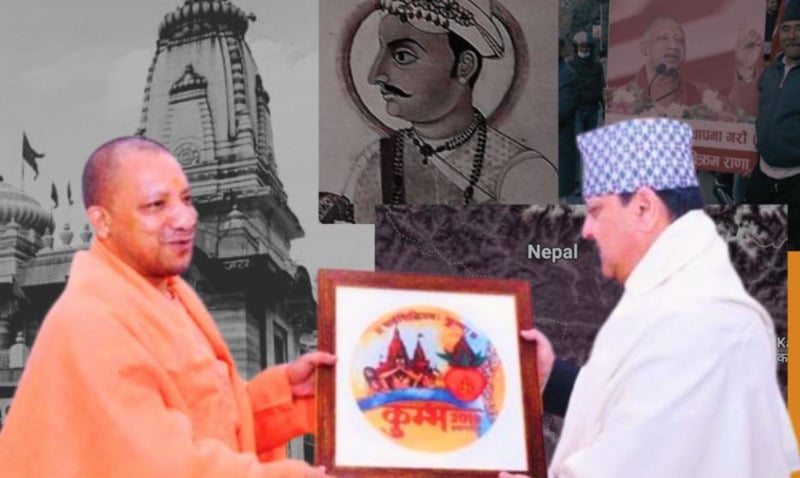
Gyanendra Shah with Indian politician Yogi Adityanath
newspaper Recent News
Recent news and updates about Gyanendra Shah will appear here.
Similar Celebrities
VIEW ALLJared Isaacman
Pilot, Philanthropist, Businessman, Commercial Astronaut • American
Anil Thadani
Film Distributor, Businessman • Indian
Ratanji Dadabhoy Tata
Industrialist, Businessman • Indian
Sheynnis Palacios (Miss Universe 2023)
Model, TV Host, Businesswoman, Social Activist • Nicaraguan
Amit Saigal
Rock Musician, Impresario, Publisher, Businessman • Indian
Danesh Irani
Businessman, Artist • Indian
Harish Ahuja (Anand Ahuja’s Father)
Entrepreneur • Indian
Mahnoor Sabir
Entrepreneur • Pakistani
Boby Chemmanur
Businessman • Indian
Ajay Singh (Entrepreneur)
Entrepreneur • Indian