Claudia Cardinale
Net Worth
$10 million (as of 2025)
Height
5' 6" (168 cm)
Age
87
Nation
Italian
favorite Personal Life
Basic Information
Family & Relationships
Education
Lifestyle
person_book Biography
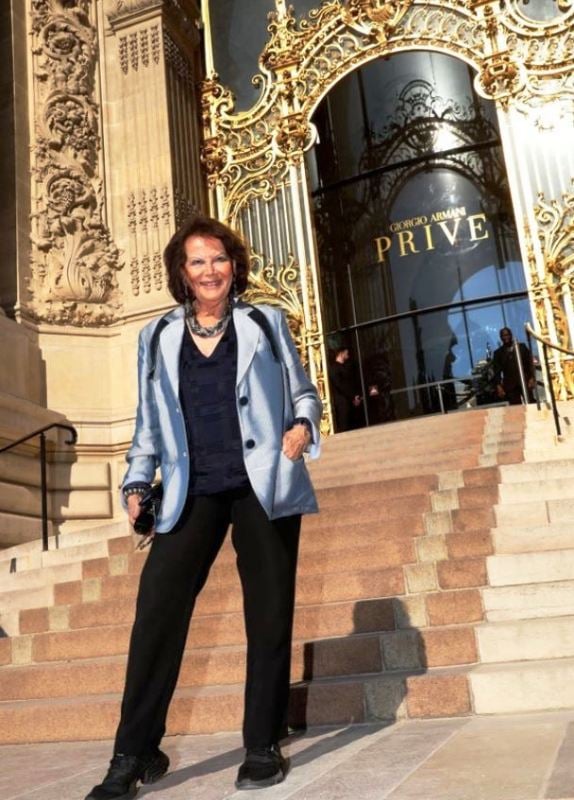
Some Lesser Known Facts About Claudia Cardinale
- Claudia Cardinale was born to Sicilian parents in Tunis, Tunisia. She grew up in La Goulette, Tunisia.
- She was the eldest of four children, followed by her sister Blanche and brothers Bruno and Adriano.
- Her father, Francesco Cardinale, came from Gela in Sicily, while her mother, Yolande Greco, was born in Italian Tripolitania to a Sicilian family from Trapani that ran a small shipbuilding business.
- Claudia’s parents later settled in La Goulette. At home, the family spoke only French, while her parents also used their Sicilian dialect.
- She began learning Italian after starting her career in Italian films.
- Claudia studied at the Saint-Joseph-de-l’Apparition School of Carthage with her younger sister, Blanche Cardinale.
- Claudia later enrolled at the Paul Cambon School, where she initially planned to train as a teacher.
- As a teenager, Claudia was seen as quiet and rebellious. She admired French actress Brigitte Bardot during that time.
- Claudia’s first screen appearance was in the short film Anneaux d’or, premiered at the Berlin Film Festival, which brought her local recognition. This led Jacques Baratier to offer her a minor role in the film ‘Goha.’
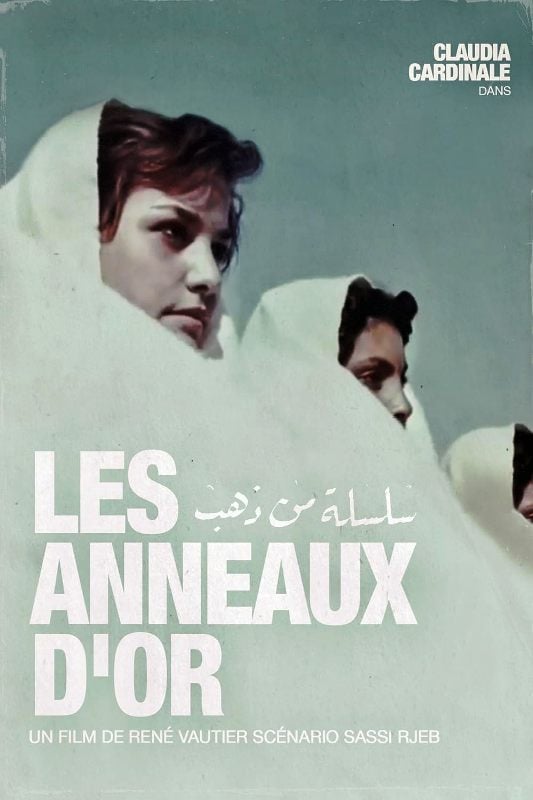
A poster of the short film ‘Anneaux d’or’ (1956)
- At first, Claudia did not want to take the role in ‘Goha.’ She finally agreed when director Jacques Baratier explained he needed a Tunisian actress to play opposite actor Omar Sharif, not an Italian actor.
- Early in her career, Cardinale’s voice was never used in her Italian films. Filmmakers felt her tone was too harsh, and her French accent did not sound “Italian enough.” As a result, she was always dubbed.
- Claudia once recalled that when she first entered films, she could not speak Italian fluently and mostly spoke French. She said she felt as if she “was on the moon,” unable to understand what was being said on set.
- During the 1957 Italian Cinema Week in Tunis, she won the title of ‘Most Beautiful Italian Girl in Tunisia.’ Her prize was a trip to the Venice Film Festival.
- During the Italian Cinema Week in Tunis, many film producers noticed and offered her a chance to study in Rome. She, however, left after one term due to struggles with language and acting, which unexpectedly earned her a cover story in Epoca.
- While living in Tunis, Cardinale became pregnant at 17 during a troubled relationship with an older Frenchman. Despite pressure to have an abortion, she chose to keep the child.
- To secure her future and protect her career, she later signed a seven-year contract with producer Franco Cristaldi’s company, Vides.
- During her pregnancy, Claudia Cardinale continued acting until her seventh month and managed to keep the news hidden from colleagues and the public. She struggled with depression and suicidal thoughts at that time.
- As she faced issues during her pregnancy, Claudia Cardinale asked Franco Cristaldi to end her contract. Instead, he sent her to London for the birth, saying she was studying English, while tightly controlling her life through a detailed contract.
- She once talked about her contract with Vides and said,
I was no longer master of my own body or thoughts. Even talking with a friend about anything that could make me look different from my public image was risky, as if it had been publicized, I would have been in trouble. Everything was in the hands of Vides.”
- In 1958, Claudia appeared as ‘Carmelina Nicosia’ in the film ‘Big Deal on Madonna Street.’ Her performance received such praise that newspapers began calling her “la fidanzata d’Italia” (Italy’s sweetheart).
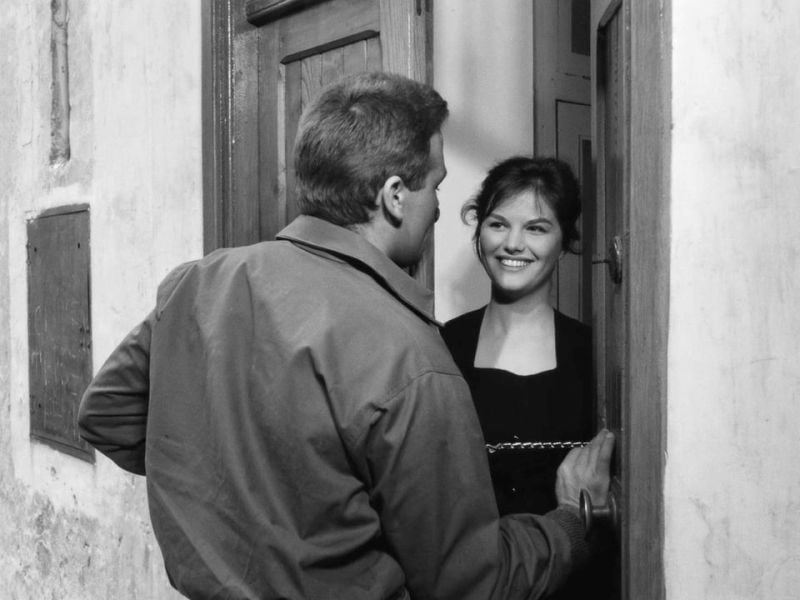
Claudia Cardinale as ‘Carmelina Nicosia’ in a still from the film ‘Big Deal on Madonna Street’ (1958)
- Her performance as ‘Ginetta Giannelli’ in the film ‘Rocco and His Brothers’ (Italian: Rocco e i suoi fratelli) (1960) gained her wide recognition.
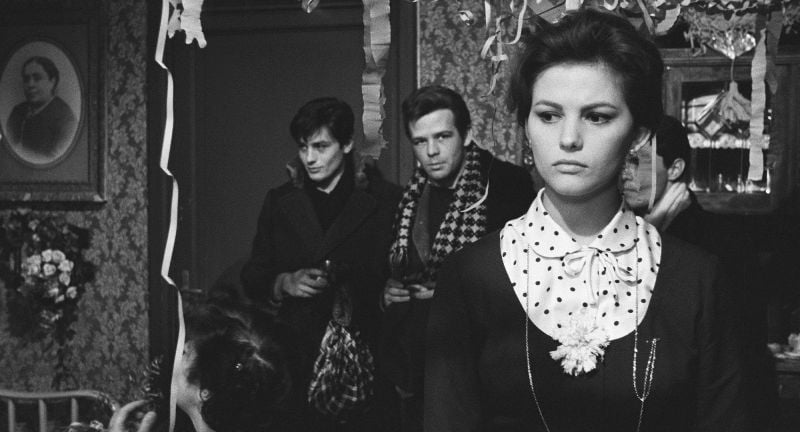
Claudia Cardinale as ‘Ginetta Giannelli’ in the film ‘Rocco and His Brothers’ (Italian: Rocco e i suoi fratelli) (1960)
- In 1960, Claudia played the role of ‘Barbara Puglisi’ in the film ‘Il bell’Antonio.’ During the shoot, her co-actor Marcello Mastroianni developed feelings for her, but she did not take that seriously.

- That same year, she gained appreciation for her work as ‘Ginetta Giannelli’ in the film ‘Rocco and His Brothers’ and as ‘Fedora Santini’ in ‘Silver Spoon Set.’
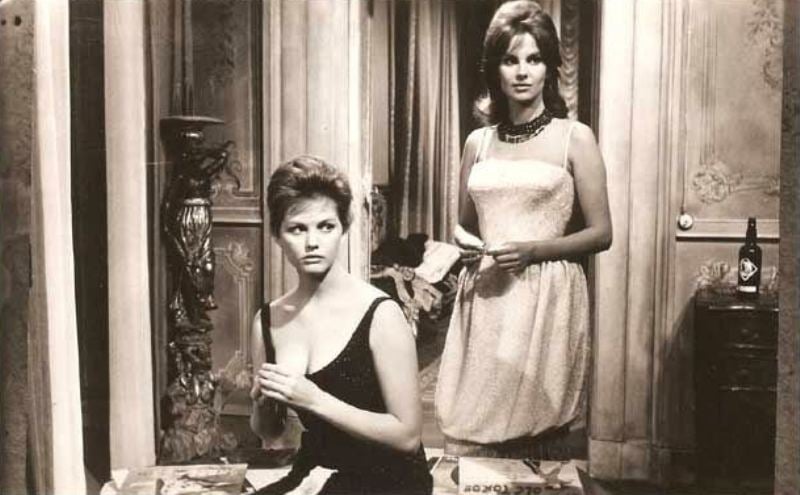
Claudia Cardinale (left) as ‘Fedora Santini’ in a still from the film ‘Silver Spoon Set’ (1960)
- Claudia played the role of ‘Aida Zepponi,’ a nightclub singer and young mother, in Valerio Zurlini’s ‘Girl with a Suitcase’ (1961). Though many doubted her, Zurlini supported her throughout filming, and the two formed a close friendship.
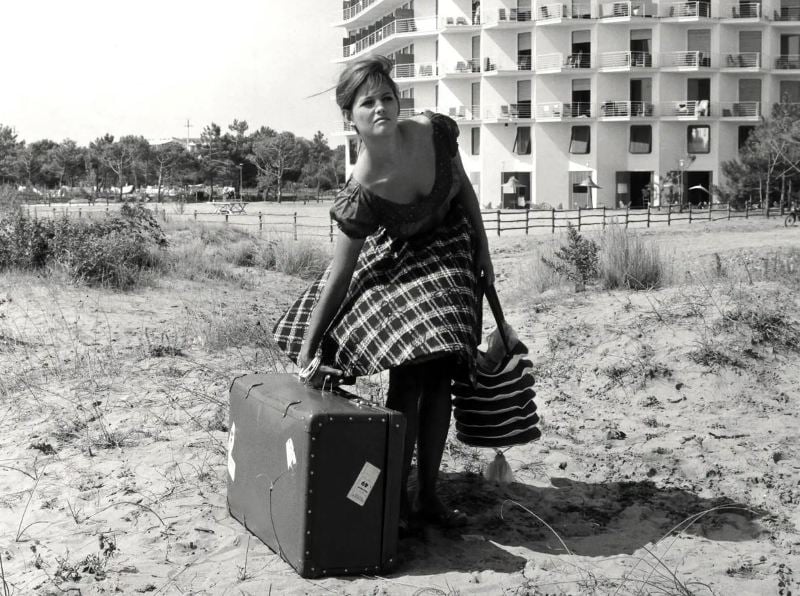
Claudia Cardinale as ‘Aida Zepponi’ in a still from the film ‘Girl with a Suitcase’ (1961)
- In 1961, while Cardinale was not ranked alongside actresses Sophia Loren or Gina Lollobrigida, the press started calling her a promising new rival to Brigitte Bardot.
- In 1962, writer Alberto Moravia interviewed Cardinale, highlighting her appearance and sexuality. The piece, published in Esquire as ‘The Next Goddess of Love,’ later inspired him to create a novel character based on her.
- Federico Fellini was the first director to break the pattern of dubbing Claudia’s voice. In his film 8½ (1963), he let Cardinale use her natural voice for the first time, which she later described as “very strange.”
- In 1963, Claudia played ‘Princess Dala’ in the film ‘The Pink Panther,’ which was her first time starring in an American film. Her co-actor, David Niven, admired her and once even told her
After spaghetti, you’re Italy’s happiest invention.”
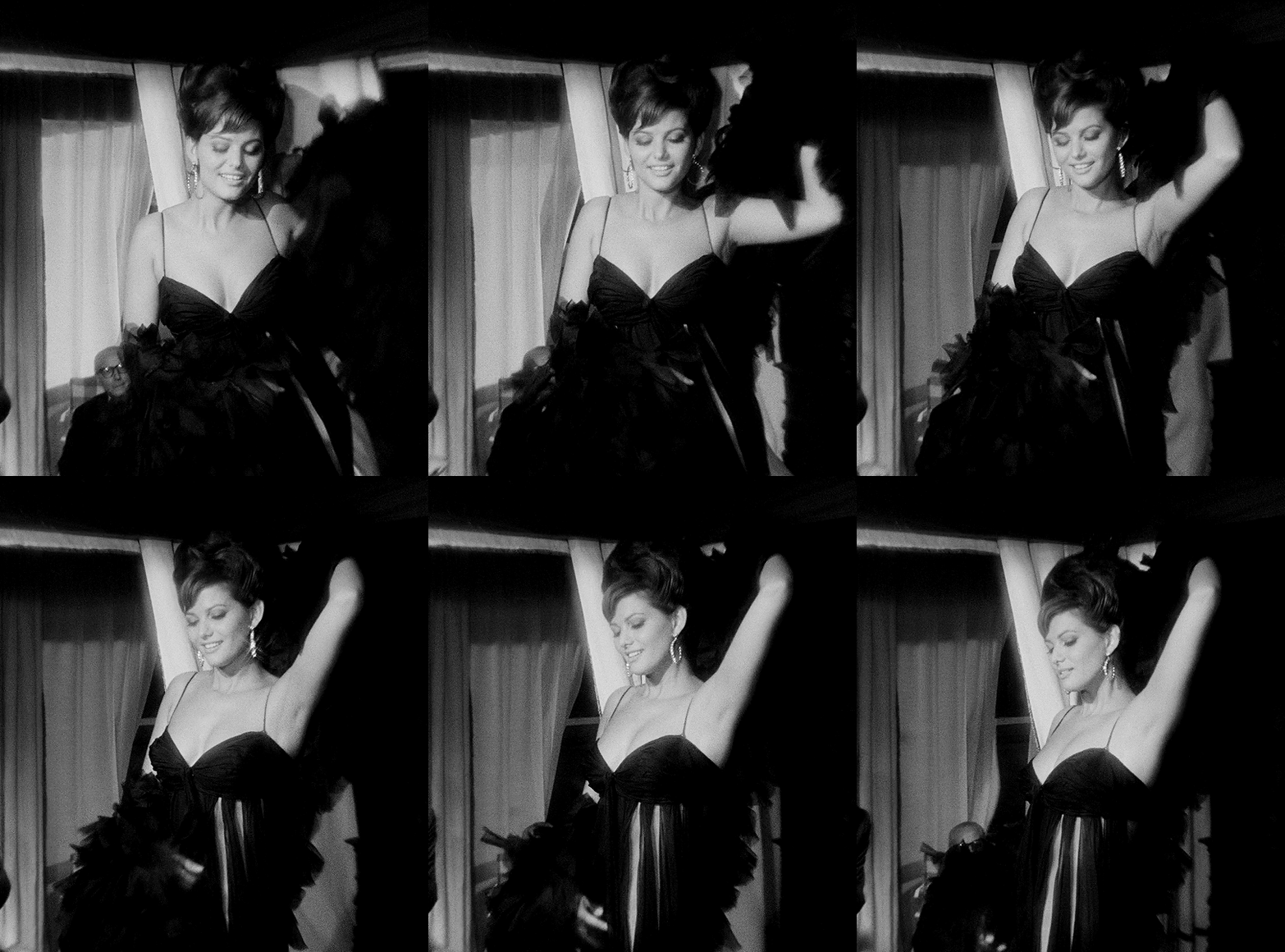
- Cardinale appeared in a film adaptation of another Moravia novel, ‘Time of Indifference’ (1964), where she portrayed a similar role.
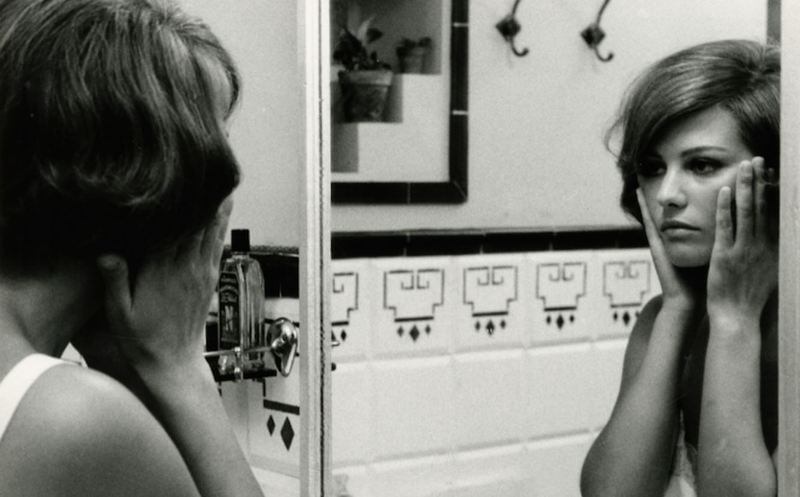
Claudia Cardinale as ‘Carla Ardengo’ in a still from the film ‘Time of Indifference’ (1964)
- Her first Hollywood film was Henry Hathaway’s Circus World (1964), where she acted alongside John Wayne and Rita Hayworth, playing Hayworth’s daughter in a mother-daughter circus act.
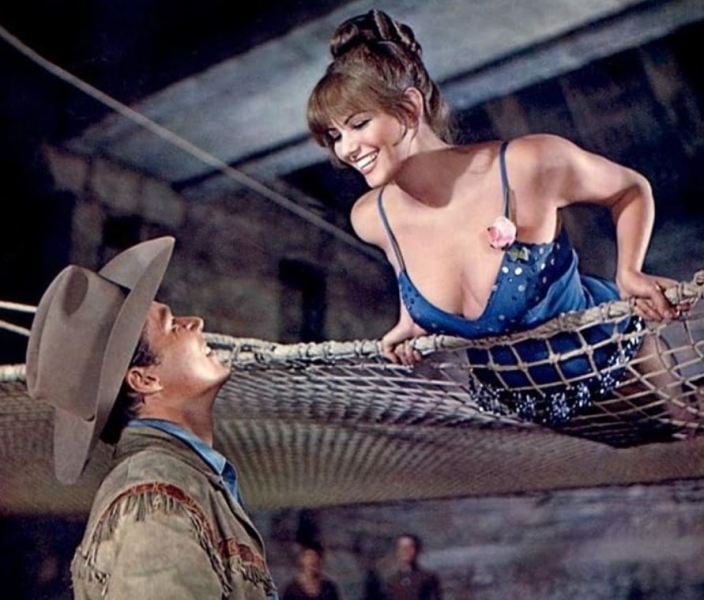
Claudia Cardinale as ‘Toni Alfredo’ in a still from the film Circus World (1964)
- She also appeared in a few short films, such as ‘La amante estelar’ (1968), ‘Un café… l’addition’ (1999), and ‘The Blind and the Cardinal’ (2017).
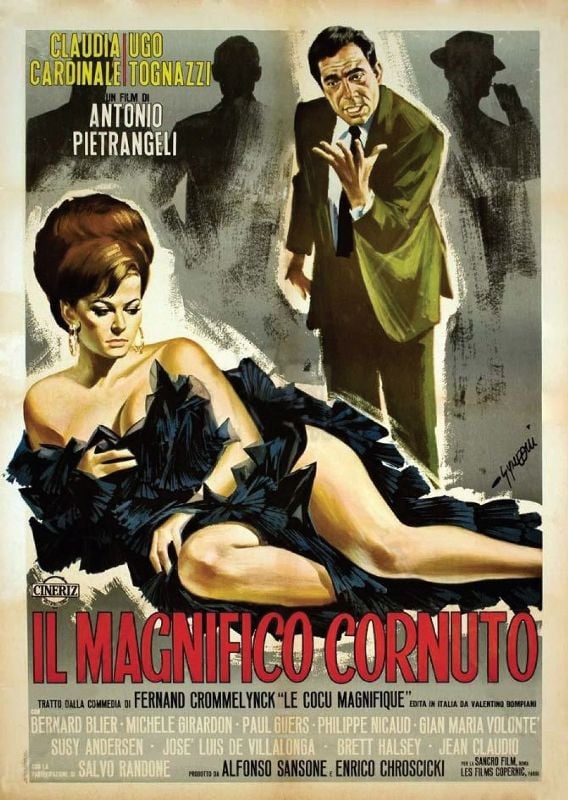
A poster of the short film ‘La amante estelar’ (1968)
- By the late 1960s, Cardinale decided to return to Italy after spending a few years working in Hollywood. She chose to give up the chance of becoming a big American star and even accepted lower pay to continue working in Europe. She explained,
I don’t like the star system. I’m a normal person. I like to live in Europe. I mean, I’ve been going to Hollywood many, many times, but I didn’t want to sign a contract.”
- In 1964, Cardinale played the lead role in The Magnificent Cuckold, based on a Belgian play. Though she was at the peak of her popularity, she later said the experience was unpleasant because she didn’t get along with the director and her co-star, Ugo Tognazzi, misbehaved.
- By 1966, Cardinale was recognised as Italy’s biggest film star, even more popular than Marcello Mastroianni and Sophia Loren. Life magazine described her appeal as a mix of warmth and sensuality that made her admired by audiences worldwide.
- Cardinale appeared in various television series, such as Rai 1’s ‘Jesus of Nazareth’ (1977), BBC’s ‘Nostromo’ (1997), and RTS Un’s ‘Bulle’ (2020).
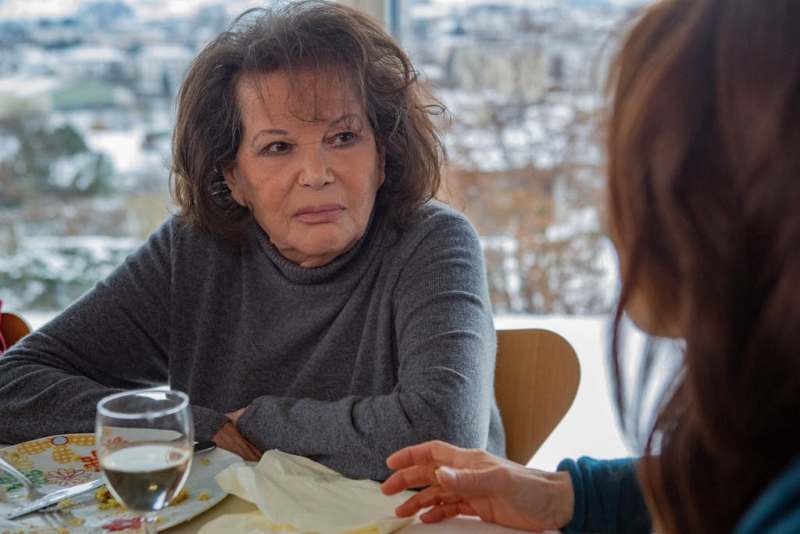
Claudia Cardinale as ‘Marthe’ in a still from the television ‘Bulle’ (2020)
- Claudia worked in many other films, including ‘The Skin’ (1981), ‘And Now… Ladies and Gentlemen’ (2002), ‘Signora Enrica’ (2010) (Italo-Turkish), ‘Effie Gray’ (2014), ‘Rogue City’ (2020), and ‘The Island of Forgiveness’ (2022).
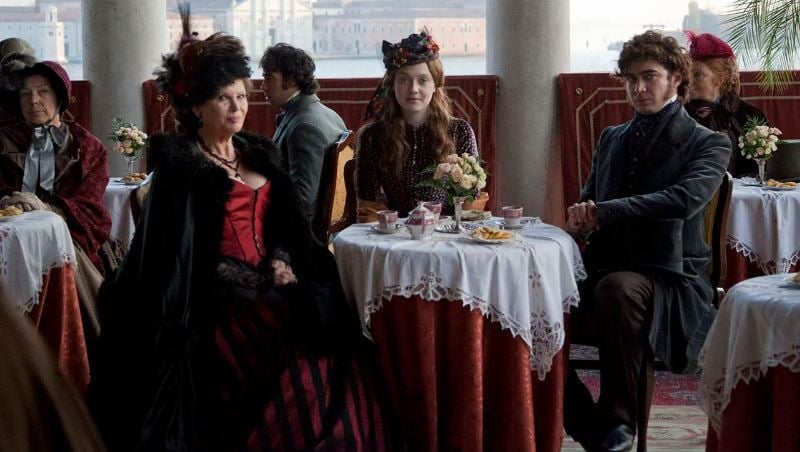
Claudia Cardinale (left) as ‘Viscountess’ in a still from the film ‘Effie Gray’ (2014)
- She was also part of many documentary films, such as ‘Burden of Dreams’ (1982), ‘Fellini: I’m a Born Liar’ (2002), ‘The Story of Film: An Odyssey’ (2011), and ‘Ennio: The Maestro’ (2021).
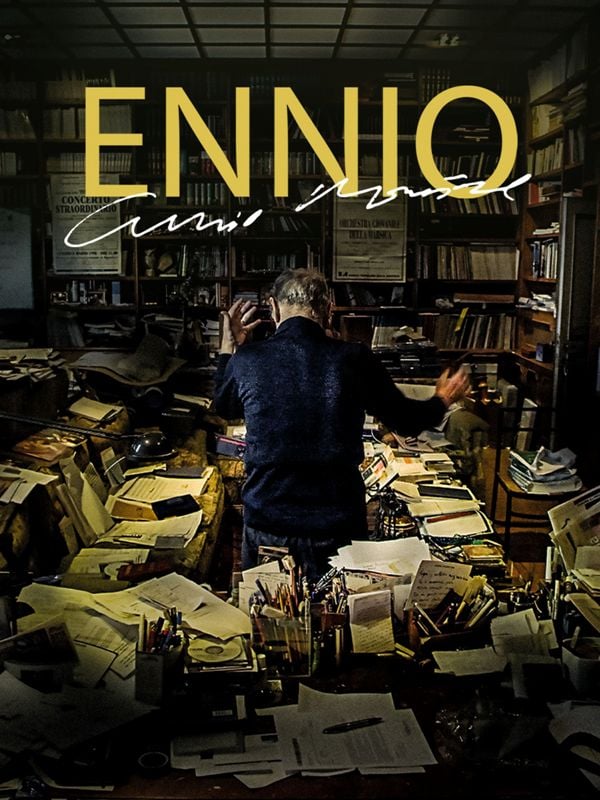
A poster of the documentary film ‘Ennio: The Maestro’ (2021)
- She also lent her voice (as a narrator) to films like ‘Alex et Marie’ (1994) and ‘African Cats’ (2011).
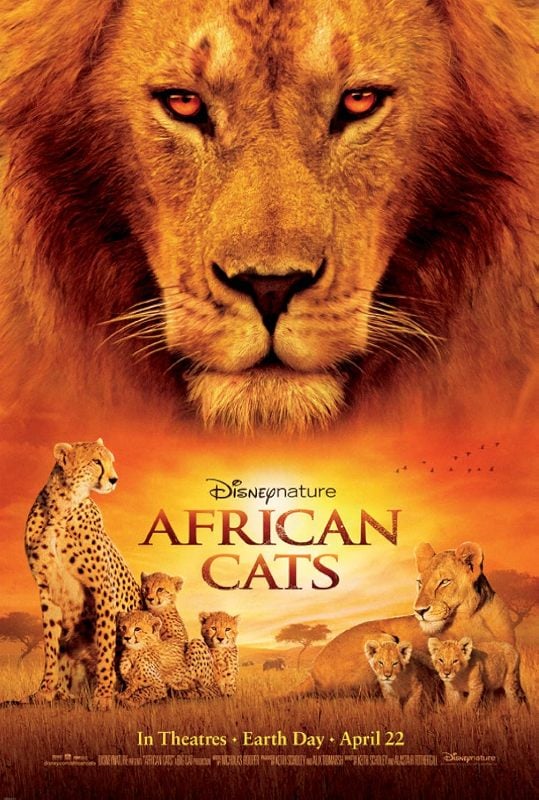
A poster of the film ‘African Cats’ (2011)
- On 23 September 2025, Claudia passed away due to prolonged illness in Nemours, France.
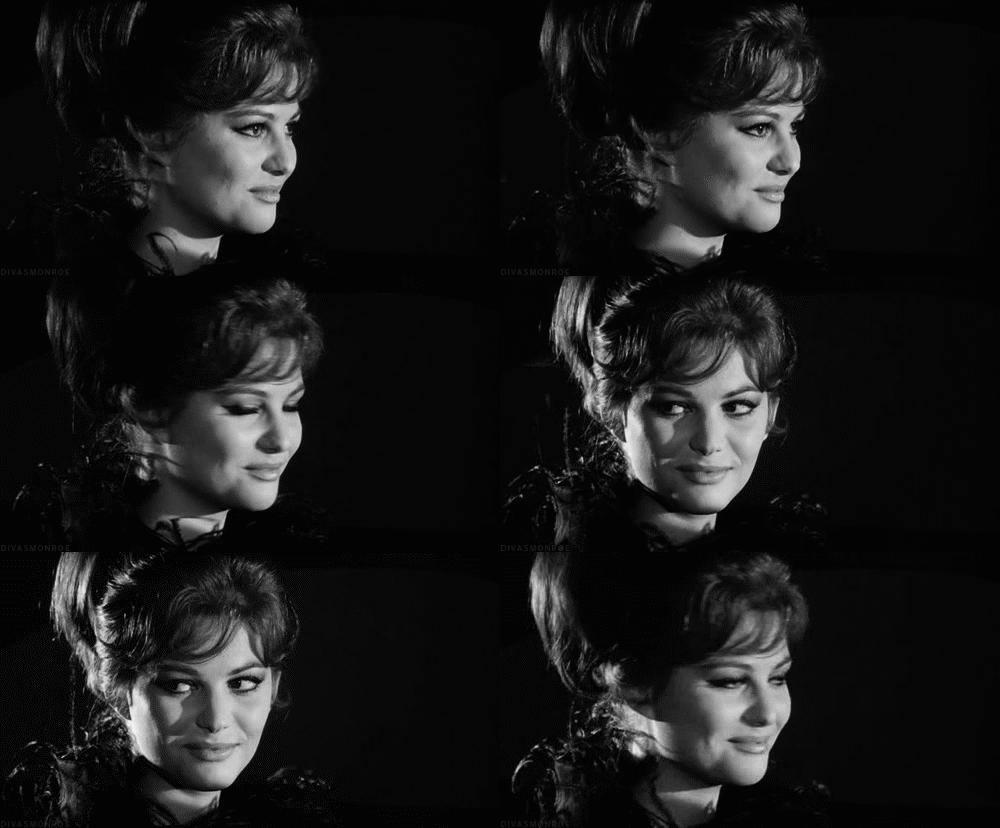
Claudia Cardinale in the film 8½ (1963)
newspaper Recent News
Recent news and updates about Claudia Cardinale will appear here.
Similar Celebrities
VIEW ALLTania Singh (Model)
Model, Fashion designer • Indian
Adil Hussain
Actor • Indian
Kushal Paul
Singer • Indian
Benny Dayal
Singer • Indian
Neha Ojha
Actress, Model • Indian
Sonali Bendre
Actress, Model, Author • Indian
Vishnumaya Ramesh
Singer, Dancer, Child Artist • Indian
Reema Kagti (Film Director)
Director, Screenwriter, Assistant Director • Indian
Abdul Quadir Amin
Actor, Businessman • Indian
Abhay Verma
Actor • Indian